
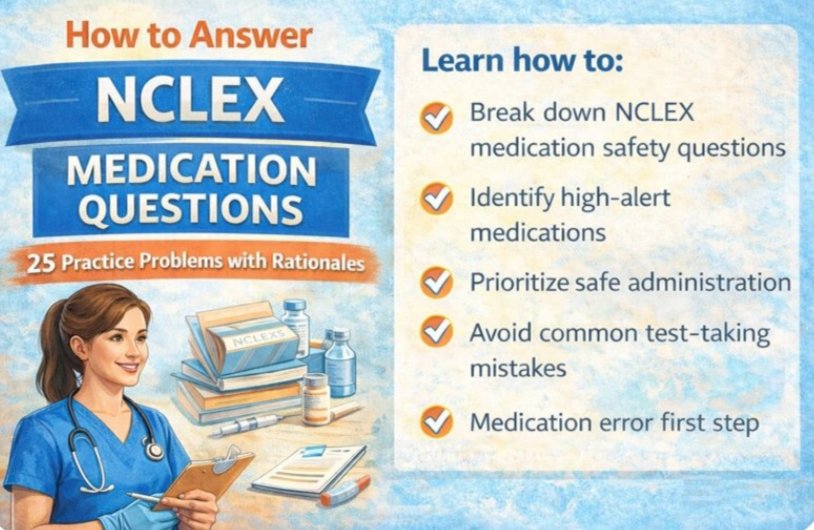
How to Answer NCLEX Medication Questions: 25 Practice Problems with Rationales
Meta Description –
Learn how to answer NCLEX medication questions with 25 advanced practice problems, detailed rationales, safety tips, and test-taking strategies for nursing students.
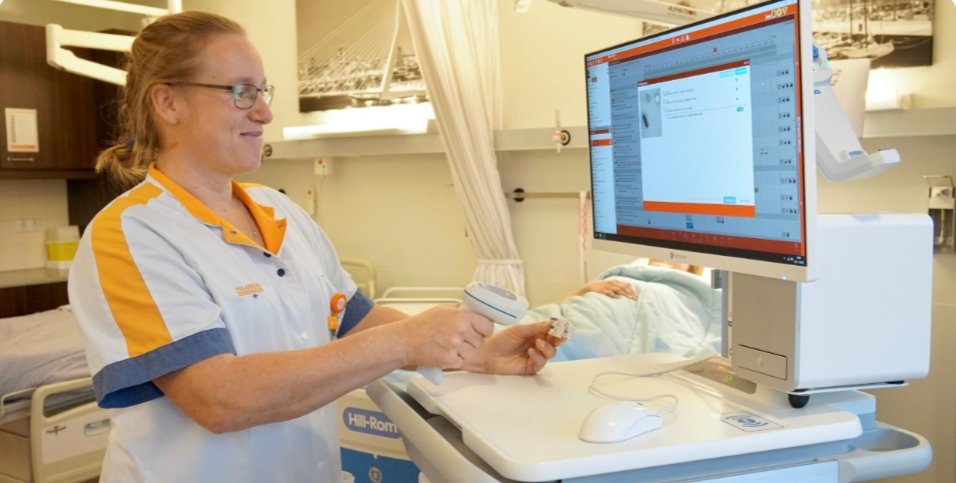
Medication questions on the NCLEX can feel intimidating.
You may know the drug…
You may understand the disease…
But the question still feels tricky.
Why?
Because NCLEX doesn’t just test memory. It tests:
🧠 Clinical judgment
🛡️ Patient safety
⚖️ Prioritization
📋 Legal & ethical practice
If you’ve ever said, “I knew the content but still got it wrong,” this guide is for you.
In this article, you’ll learn:
✅ How to break down medication questions
✅ What NCLEX is really testing
✅ 25 high-yield practice problems
✅ Clear rationales to build critical thinking

🔎 First: How to Approach NCLEX Medication Questions
Before jumping into practice questions, remember these 5 golden rules:
1️⃣ Patient Safety Comes First
If one answer prevents harm — that’s usually correct.
2️⃣ Assess Before You Act
When in doubt, choose the answer that involves assessment first.
3️⃣ Watch for High-Alert MedicationsExamples:InsulinHeparinWarfarinDigoxinOpioids
4️⃣ Know the “Hold Parameters”Some drugs should NOT be given if certain findings exist (e.g., low pulse before digoxin).
5️⃣ Eliminate Unsafe Options
Often you can remove 2 clearly unsafe answers immediately.
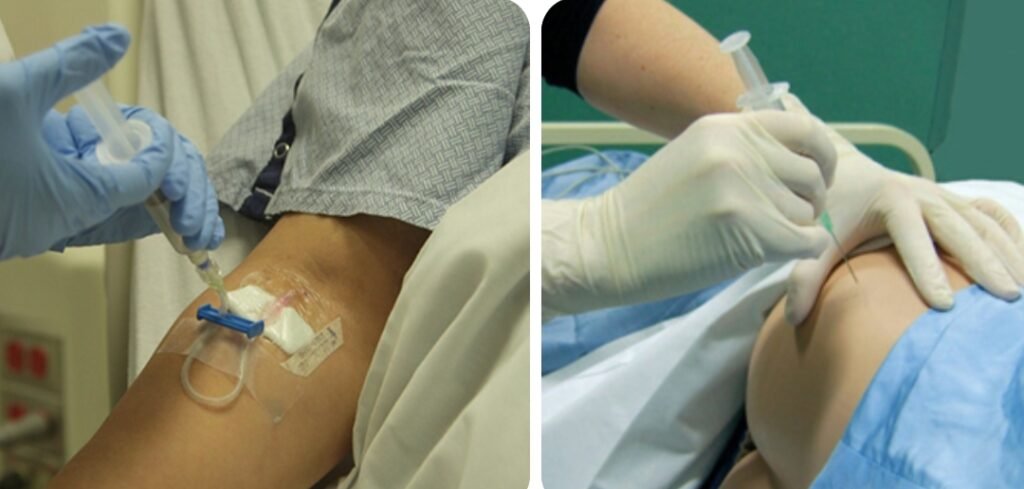
📘 25 NCLEX Medication Practice Questions (With Rationales)
1️⃣ A nurse prepares to give digoxin. Apical pulse is 56 bpm. What should the nurse do?
A. Give medication
B. Hold medication and notify provider
C. Recheck pulse in 2 hours
D. Give half dose
✅ Answer: B
Rationale: Digoxin is held if pulse is below 60 bpm due to bradycardia risk.
2️⃣ A patient on heparin develops bleeding gums. What is the priority action?
A. Continue infusion
B. Stop infusion and notify provider
C. Document only
D. Give vitamin K
✅ Answer: B
Rationale: Bleeding indicates possible overdose.
3️⃣ Which lab value must be checked before giving potassium IV?
A. Hemoglobin
B. Creatinine
C. Urine output
D. WBC
✅ Answer: C
Rationale: Potassium should not be given if urine output is low.
4️⃣ Which symptom indicates opioid overdose?
A. Tachycardia
B. Dilated pupils
C. Respiratory depression
D. Hypertension
✅ Answer: C
5️⃣ What is the antidote for opioid overdose?
A. Atropine
B. Naloxone
C. Epinephrine
D. Protamine
✅ Answer: B
6️⃣ A nurse gives insulin without checking blood glucose. This violates which right?
A. Right time
B. Right patient
C. Right assessment
D. Right documentation
✅ Answer: C
7️⃣ A patient refuses medication. What is the best action?
A. Force administration
B. Hide in food
C. Document refusal
D. Call security
✅ Answer: C
8️⃣ Which injection angle is used for intradermal injection?
A. 90°
B. 45°
C. 10–15°
D. 60°
✅ Answer: C
9️⃣ Warfarin patient has INR 4.8. Nurse should:
A. Administer dose
B. Hold medication
C. Increase dose
D. Give aspirin
✅ Answer: B
🔟 A patient develops rash and difficulty breathing after antibiotic. Priority?
A. Document
B. Call family
C. Stop drug and administer oxygen
D. Continue monitoring
✅ Answer: C
(Continuing in rapid high-yield format)
11️⃣ Best IM site for adult → Ventrogluteal
12️⃣ Crush enteric-coated tablet? → No
13️⃣ Before beta-blocker, check → BP & pulse
14️⃣ Insulin injection site rotation prevents → Lipodystrophy
15️⃣ Document medication → After administration
16️⃣ Medication error first step → Assess patient
17️⃣ Subcutaneous injection angle → 45–90°
18️⃣ High-alert medication requires → Double check
19️⃣ Look-alike drug prevention → Tall Man lettering
20️⃣ Best site for insulin → Abdomen
21️⃣ IV infiltration action → Remove catheter
22️⃣ Time-critical drug example → Insulin
23️⃣ Pediatric dose calculation priority → Weight-based dosing
24️⃣ Patient education priority → Explain purpose & side effects
25️⃣ Safest response when unsure about dose → Clarify with provider

🎯 Why Students Get Medication Questions WrongCommon mistakes:
❌ Memorizing without understanding
❌ Ignoring lab values
❌ Forgetting safety priority
❌ Choosing fastest action instead of safest
❌ Not reading the stem carefully
NCLEX wants to know:Can you protect your patient?
🧠 NCLEX Medication Strategy Formula
When reading a question:
Identify drug type
Look at patient condition
Check vital signs & labsAsk: “Is it safe to give?”Choose safest action
💡 Pro Study Tips for Medication Mastery
✔ Study drug classes, not just names
✔ Focus on side effects
✔ Memorize antidotes
✔ Practice daily
✔ Review rationales — that’s where learning happens
❤️ Final Motivation for NCLEX CandidatesMedication questions are not about being perfect.They are about being:
Safe
Responsible
Observant
Accountable
You are not just preparing for an exam.You are preparing to become a nurse patients can trust.Keep practicing. Keep learning. Keep going. 💙