

Safe DVT Prevention: How to Educate Patients About IPC Therapy at the Bedside
Meta Title:
Safe DVT Prevention: How to Educate Patients About IPC Therapy at the Bedside
Meta Description:
Learn how nurses can safely apply and educate patients about Intermittent Pneumatic Compression (IPC) therapy for DVT prevention. Includes step-by-step guidance on timing, application, monitoring, and patient teaching for optimal outcome

—🏥 Introduction:
Why DVT Prevention Matters in Every Hospital Setting Deep Vein Thrombosis (DVT) remains one of the most common and preventable causes of morbidity in hospitalized patients. It occurs when blood clots form in deep veins, usually in the legs, leading to complications like pulmonary embolism (PE) — a life-threatening emergency.For patients who are immobile, post-surgical, or critically ill, prevention is a key nursing responsibility. Among the many prevention methods, Intermittent Pneumatic Compression (IPC) therapy stands out as an effective, non-invasive mechanical approach that helps maintain healthy blood flow and reduce clot formation.As frontline caregivers, nurses play a vital role in applying, monitoring, and educating patients about IPC therapy.
This article guides you step-by-step on how to safely implement IPC devices and empower patients through effective bedside education.
—💡 What Is IPC Therapy?
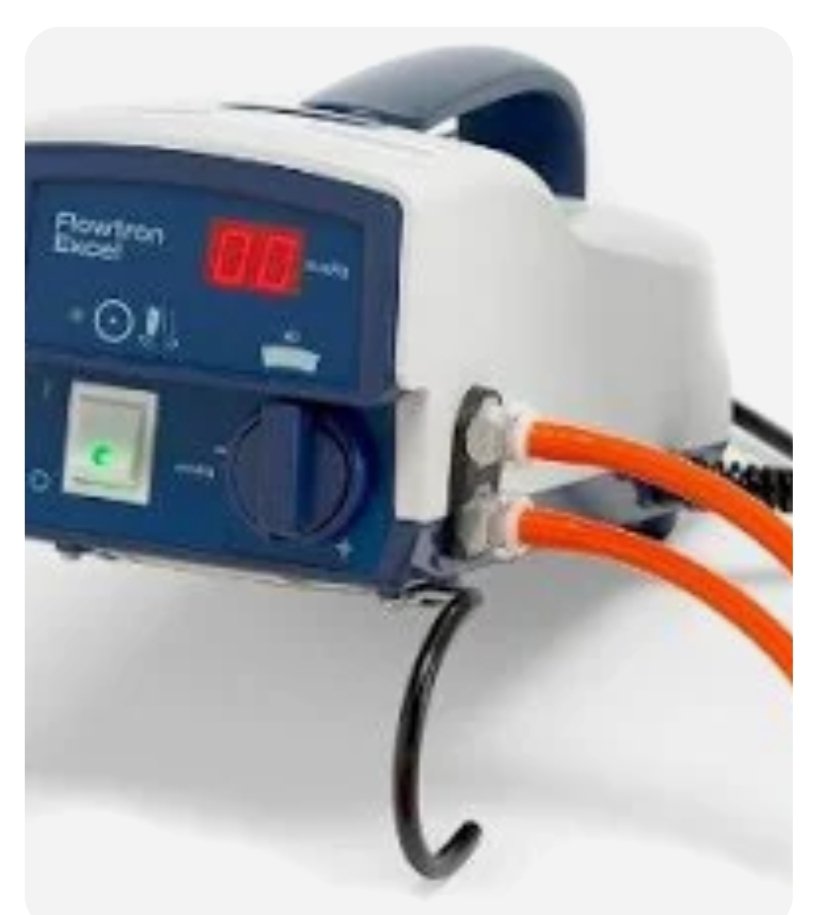
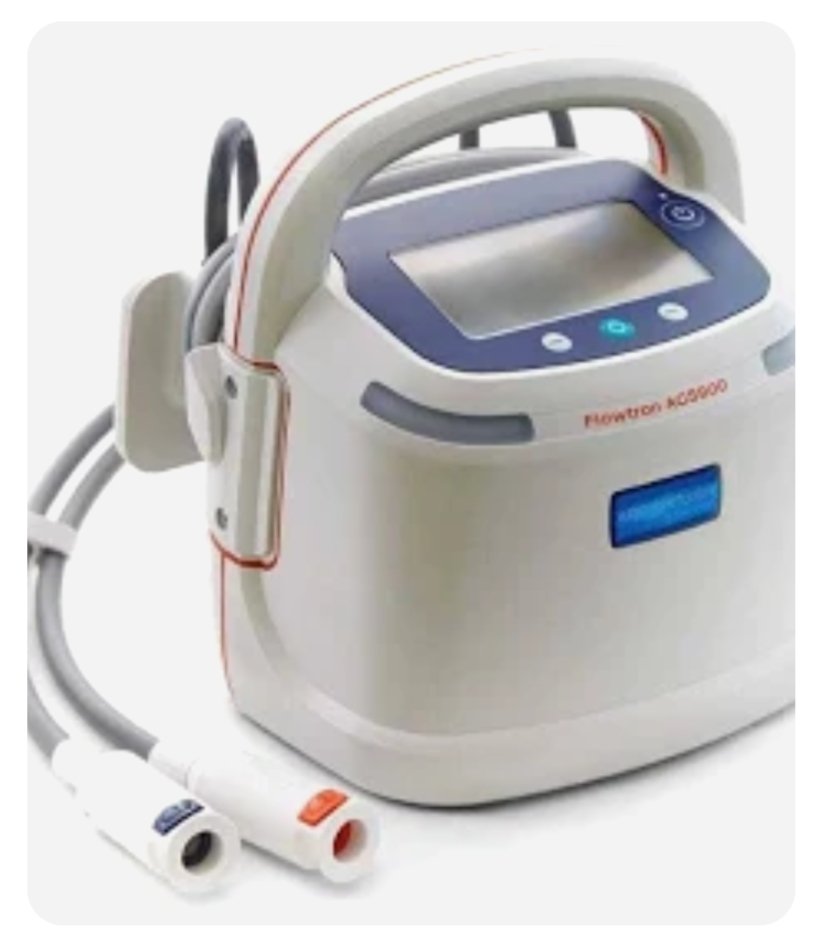
Intermittent Pneumatic Compression (IPC) is a mechanical method of preventing DVT by improving venous blood return from the legs.It involves using inflatable sleeves or cuffs that are wrapped around the patient’s calves or thighs. These cuffs are connected to a machine that rhythmically inflates and deflates, mimicking the natural pumping action of the muscles during walking.
🔍 Key Objectives of IPC Therapy
To promote venous return and prevent stasis of blood.
To reduce the risk of clot formation in deep veins.
To improve circulation in patients who cannot move independently.
To complement pharmacological prophylaxis when needed.
—🕐 When to Initiate IPC Therapy Timing is critical for effective DVT prevention. IPC therapy should be initiated as soon as possible in patients identified as being at moderate or high risk of DVT, particularly when anticoagulant use is contraindicated or delayed.

✅ Ideal candidate for IPC
Postoperative patients (especially orthopedic, abdominal, or cardiac surgery)
Immobile or bedridden patientsStroke or spinal injury patients
Pregnant or postpartum women with limited mobility ICU or high-dependency unit patients Patients with contraindications to anticoagulants (e.g., bleeding risk)
⚠️ When to Avoid or Delay IPC Use Active DVT or pulmonary embolism Severe peripheral arterial disease Skin infections, ulcers, or open wounds on legs Severe leg deformities or fractures Patients with hypersensitivity to device material Clinical
Tip: Always check the physician’s order and perform a vascular assessment before starting IPC therapy. Document baseline skin condition and circulation status.
—🧠 Step-by-Step: How to Apply IPC Therapy Correctly As a nurse, applying IPC devices safely is crucial for both effectiveness and patient comfort. Here’s a step-by-step approach:
🩺 Step 1: Prepare the Equipment Verify the doctor’s order for IPC therapy.Gather the IPC machine, inflatable sleeves, and connecting tubes.Ensure the device is clean, intact, and functional.Select the correct sleeve size based on the patient’s leg circumference.
🦵 Step 2: Prepare the Patient Explain the purpose and benefits of IPC therapy.Reassure the patient that the pressure will be gentle and intermittent.Expose only the required limb to maintain privacy and warmth.Inspect the skin for redness, ulcers, or irritation.
⚙️ Step 3: Apply the Sleeves Wrap the sleeve snugly around the leg (calf or thigh as ordered).Fasten the Velcro straps evenly to ensure no wrinkles or gaps.Connect the sleeve tubing to the IPC pump securely.
🔌 Step 4: Set and Start the Machine Plug in the device and set the compression cycle as prescribed (usually 40–60 seconds inflation, 40–60 seconds deflation).Observe the first few cycles to ensure proper inflation and patient comfort.Adjust settings if needed according to hospital protocol.
📋 Step 5: Document and Monitor Record the start time, limb applied, pressure setting, and patient tolerance.Reassess skin condition every 8 hours or per policy.Encourage leg movements and repositioning when possible.
—👀 Monitoring During IPC Therapy Monitoring ensures that IPC therapy remains both safe and effective throughout use.
🔍 Nursing Monitoring Checklist
1. Device Functionality:Is the machine cycling properly?Are both sleeves inflating and deflating evenly?
2. Patient Comfort:Is the patient experiencing pain, tingling, or numbness?
3. Skin and Circulation:Check for redness, blisters, or breakdown.Assess pulses, temperature, and color of the limb.
4. Compliance and Duration:Ensure the device remains on as prescribed, especially during bed rest.Encourage consistent use unless contraindicated.
⚠️ Red Flags Requiring Immediate Attention Sudden leg swelling or pain Shortness of breath (possible embolism)Skin blistering or discoloration Non-functioning or overheating device
—🗣️ Patient Education:
The Heart of DVT Prevention Patient education is key to ensuring compliance and effectiveness. Many patients may feel confused or anxious about wearing IPC sleeves — clear and compassionate communication can make a big difference.
🩹 1. Explain the Purpose> “This device helps your blood keep moving when you’re not able to walk much, which prevents clots in your legs.”Help the patient understand why IPC is necessary for their recovery and how it helps prevent dangerous complications like pulmonary embolism.
🕐 2. Discuss the Duration of Use> “You’ll need to wear the sleeves most of the time while you’re in bed or sitting. We’ll remove them only for hygiene or short walks.”Clarify that IPC is not optional and must be used as prescribed for best results.
🦶 3. Teach Skin Care and Comfort Tips Report any pain, tingling, or warmth immediately.Keep legs clean and dry to prevent infection.Avoid wrinkled or twisted sleeves that may cause pressure areas.
💬 4. Encourage Active Participation> “If you notice the machine isn’t working or the sleeves feel loose, please let us know.”Empower patients to take an active role in their own safety.
🧼 5. Explain When and Why the Device Is Removed During bathing, physiotherapy, or ambulation When performing skin assessment If contraindications develop
❤️ 6. Provide Emotional Support Patients may find the device noisy or restrictive. Offer reassurance, reposition pillows for comfort, and remind them that this short-term therapy greatly reduces the risk of complications.

—🧾 Nurse’s Documentation and Responsibilities Accurate documentation
ensures legal safety and continuity of care.📘 What to Document:Type and size of IPC device used Pressure setting and duration Skin condition before and after usePatient’s tolerance and understanding of the therapy Any complications or interventions performed
—⚖️ Combining IPC Therapy with Other DVT Prevention Methods IPC therapy works best when combined with holistic DVT prevention strategies.
🩺 Other Measures Include:
Early mobilization and leg exercises
Adequate hydration to reduce blood viscosity
Compression stockings if prescribed Anticoagulant medications (as per physician’s order)
Elevation of legs when resting Nurses should evaluate individual patient risk factors and implement a multimodal prevention plan for the best outcomes.
—📚 Common Questions About IPC Therapy
❓1. How long should IPC devices be worn each day?
Ans-They should be worn continuously while the patient is immobile, except during hygiene, skin checks, or physical therapy.
❓2. Can IPC be used on both legs at once?
Ans-Yes. Bilateral IPC is common unless one leg has contraindications like wounds or existing DVT.
❓3. Can IPC therapy replace anticoagulant drugs?
Ans-Not entirely. IPC is often used in addition to pharmacologic prophylaxis or as an alternative when drugs are contraindicated.
❓4. What if the patient refuses IPC therapy?
Ans-Provide education and reassurance, explaining its importance. Document the refusal and inform the healthcare team.
❓5. How do nurses ensure patient safety during IPC therapy?
Ans-By frequent monitoring, skin assessment, and timely documentation. Report any abnormal signs immediately.
—🏁 Conclusion:
Nurses as Champions of DVT Prevention Intermittent Pneumatic Compression (IPC) therapy is a powerful, evidence-based tool in preventing DVT — but its success largely depends on nursing vigilance and patient cooperation.By providing comprehensive bedside education, monitoring therapy closely, and encouraging adherence, nurses can significantly reduce DVT risk and promote faster, safer recovery.Every compression cycle not only supports blood flow but also symbolizes the nurse’s continuous effort to safeguard patient health — one heartbeat, one leg, one patient at a time. 💙