
Top 25 Nursing Procedures Explained Simply for Students & New Nurses
Meta Description
Learn the top 25 essential nursing procedures explained in simple language for students and new nurses. Step-by-step skills for safe patient care.
Introduction: Why Nursing Procedures Matter More Than You Think
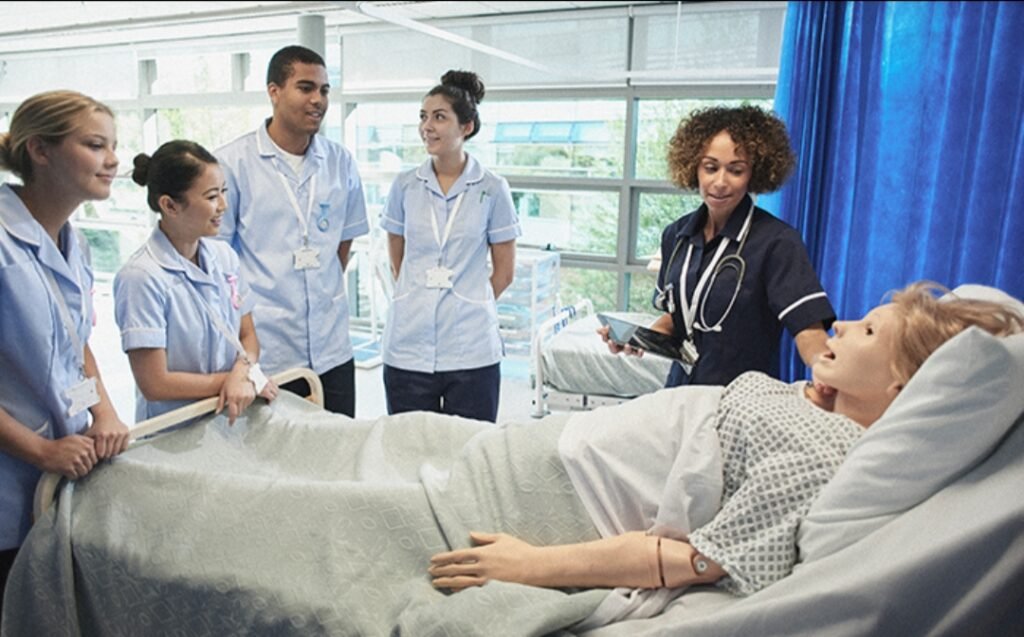
If you’re a nursing student or a newly joined staff nurse, chances are you’ve already realized one truth:
Textbooks teach concepts, but procedures teach confidence.
From giving an injection to managing oxygen therapy, nursing procedures are the backbone of patient care. Doing them correctly ensures:
Patient safety
Infection control
Legal protection
Professional confidence
This guide explains the top 25 nursing procedures in simple, step-by-step language—no heavy jargon, no confusion. Perfect for:
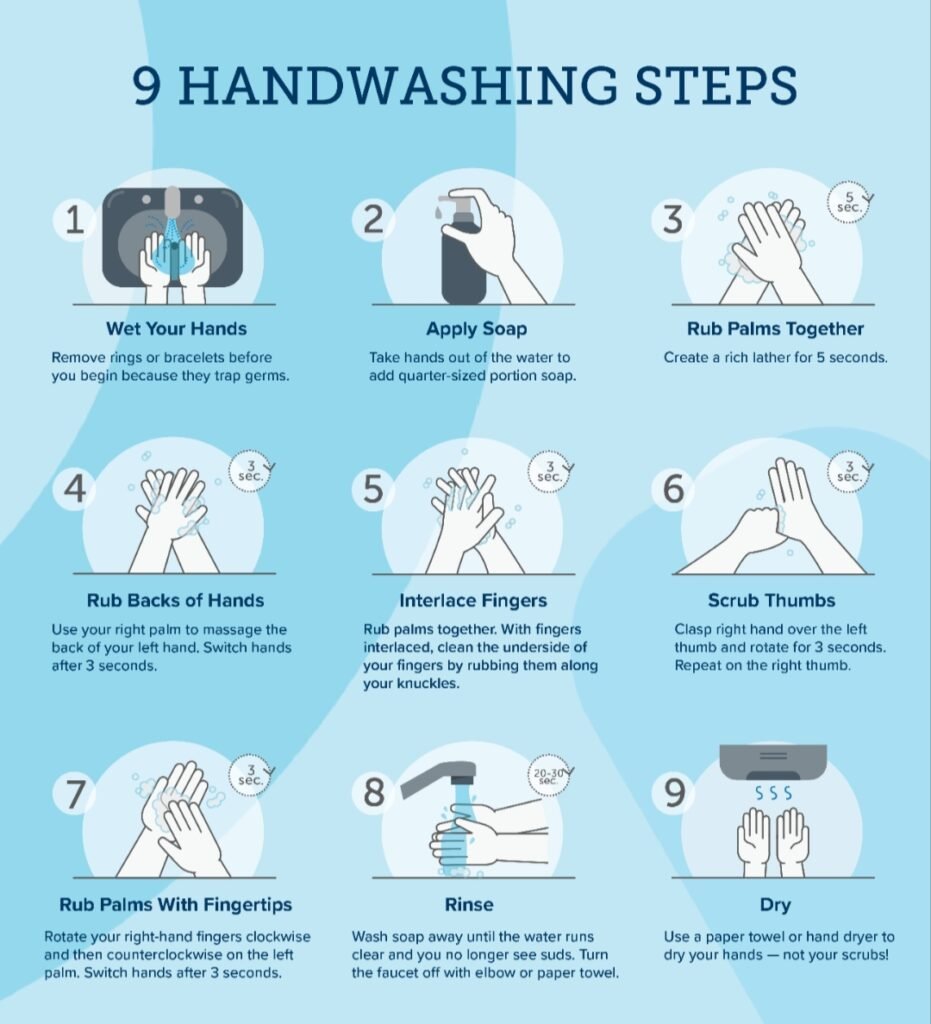
1. Hand Hygiene (The First Rule of Nursing)
What it is: Cleaning hands using soap and water or alcohol-based hand rub.
Why it matters:
Hand hygiene prevents hospital-acquired infections (HAIs).
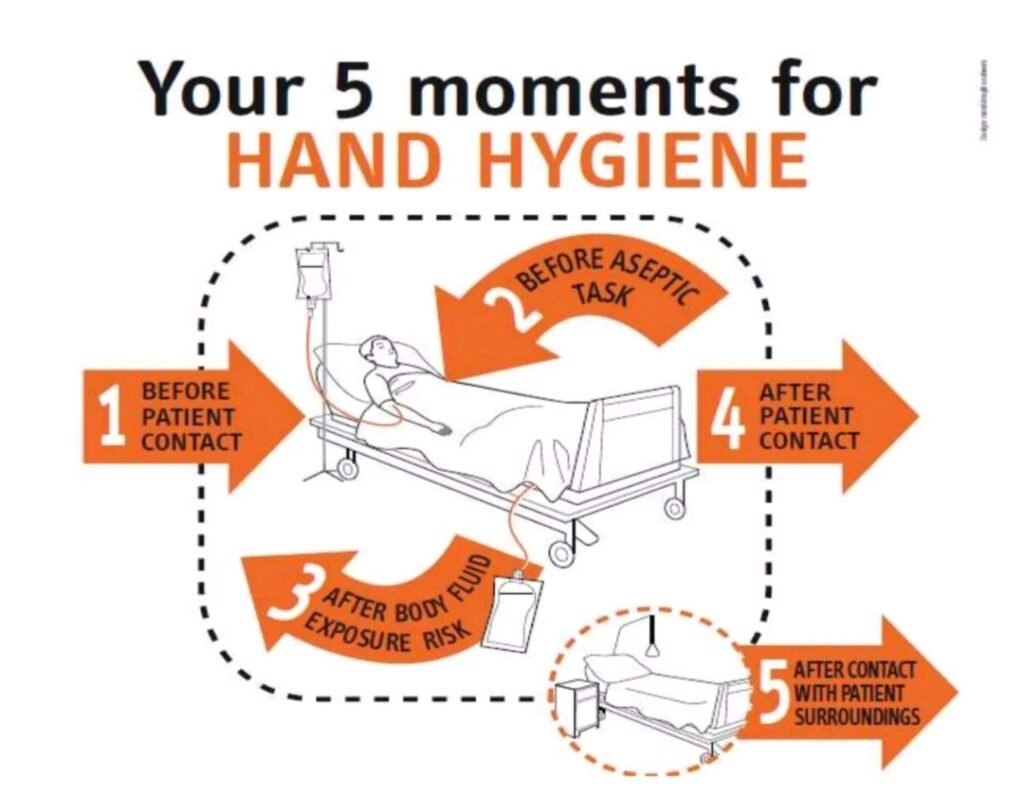
When to perform (5 Moments):
Before touching a patient
Before aseptic procedures
After body fluid exposure
After touching a patient
After touching patient surroundings
- Measuring Vital Signs
Includes:
Temperature
Pulse
Respiration
Blood Pressure
Oxygen Saturation
Why it matters:
Vital signs reflect a patient’s current physiological status.
Nursing tip:
Never record vitals blindly—observe trends, not just numbers.
- Blood Pressure Measurement
Methods:
Manual (sphygmomanometer)
Digital BP machine
Normal BP:
~120/80 mmHg (adult)
Common mistakes:
Wrong cuff size
Arm not at heart level
Patient talking during reading

- Oxygen Therapy
Purpose: To maintain adequate oxygen levels in the body.
Common devices:
Nasal cannula
Simple face mask
Non-rebreather mask
Nursing responsibility:
Monitor SpO₂
Humidify oxygen if needed
Prevent oxygen toxicity
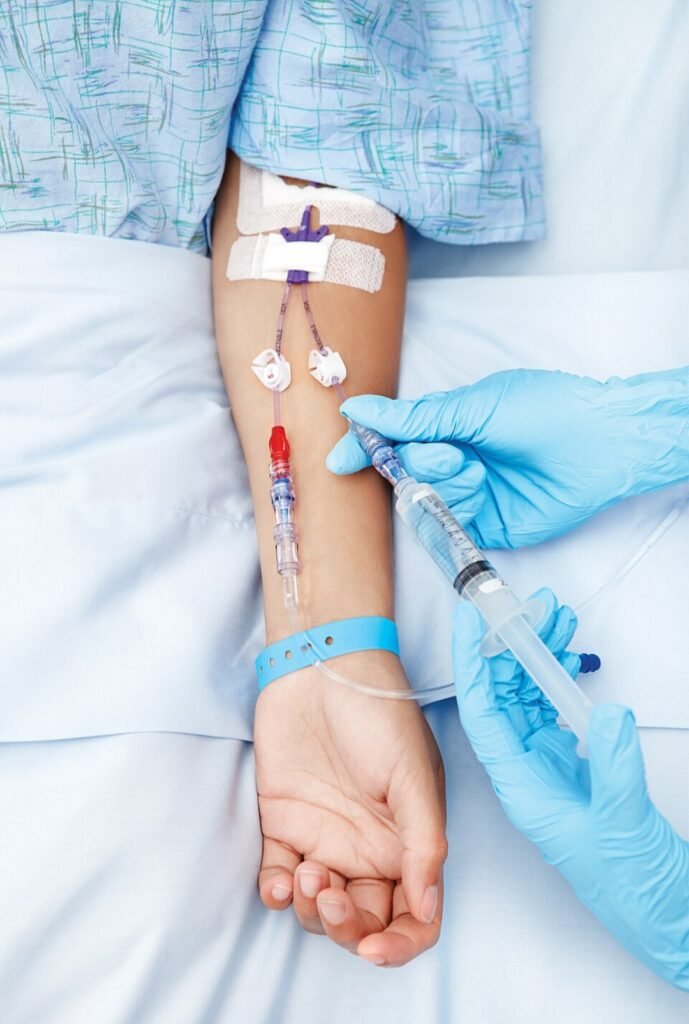
- Intravenous (IV) Cannulation
What it is: Inserting a cannula into a vein for fluids or medications.
Common sites:
Dorsal hand veins
Forearm veins, Cephalic vein,Bacilic vein, Metacarpal vein
Key points:
Maintain aseptic technique
Secure cannula properly
Observe for infiltration or phlebitis
- IV Fluid Administration
Used for:
Dehydration
Shock
Medication delivery
Nursing role:
Calculate flow rate
Monitor intake & output
Watch for fluid overload

(10 Rights)Always follow:
Right patient
Right drug
Right dose
Right route
Right time
right to refuse
right evaluation
right documentation
right reason
right education
Routes include:
Oral
IV
IM
SC
Golden rule:If unsure—don’t give, clarify first.
8. Injection TechniquesTypes:
Intramuscular (IM)
Subcutaneous (SC)
Intradermal (ID)
Examples:
IM: Vaccines
SC: Insulin
ID: Mantoux test
Tip:Choose correct site and needle size.
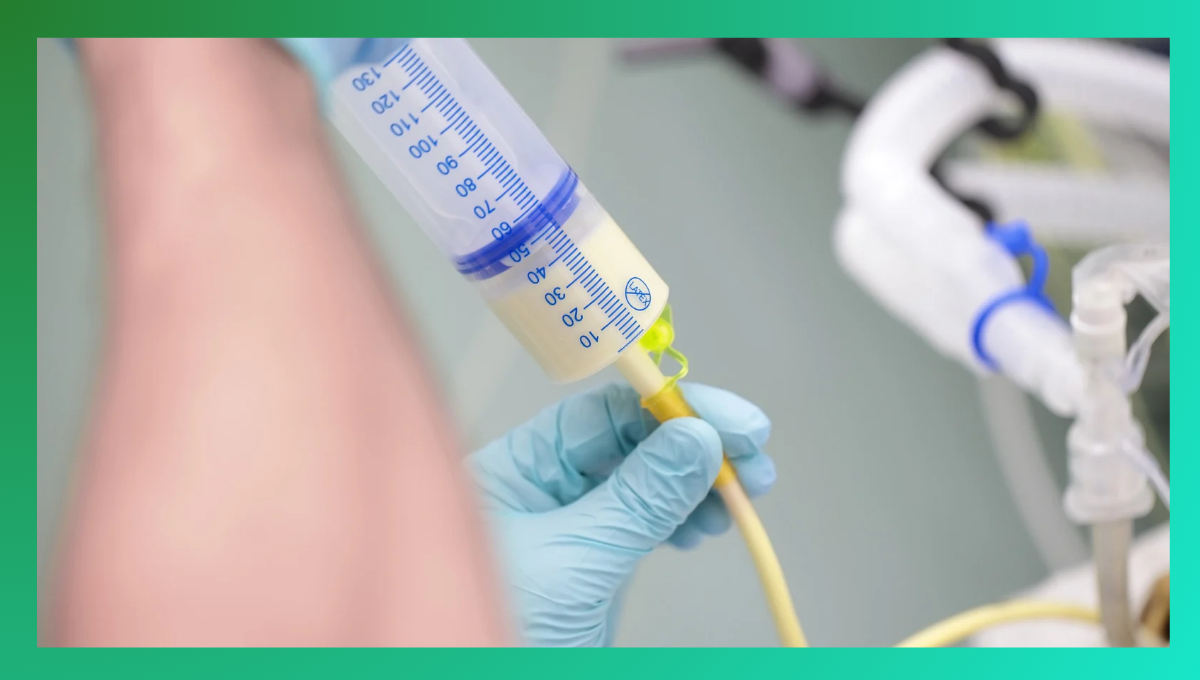
- Nasogastric (NG) Tube Insertion
Purpose:
Feeding
Medication
Gastric decompression
Key steps:
Measure nose to ear to xiphoid
Confirm placement
Secure tube, confirm placement with x ray
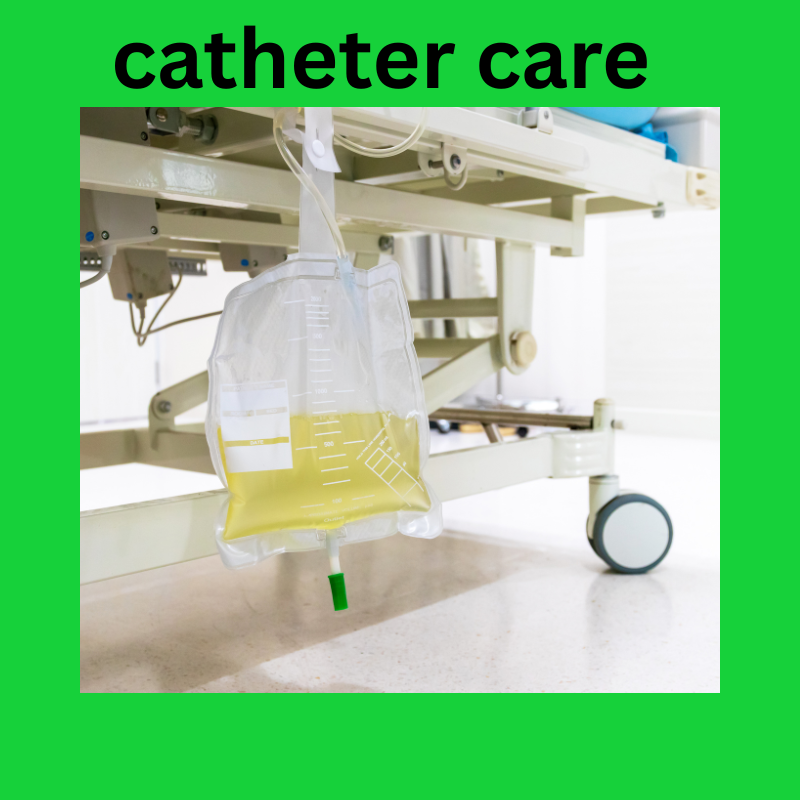
- Urinary Catheterization
Indications:
Urinary retention
Accurate urine output
Surgical patients
Types:
Foley catheter
Straight catheter
Major risk:
Catheter-Associated Urinary Tract Infection (CAUTI)
- Wound Dressing
Purpose: Promote healing and prevent infection.
Types:
Dry dressing
Wet dressing
Pressure dressing
Nursing focus:
Clean from least to most contaminated
Observe wound healing signs
- Bed Bath & Personal Hygiene Care
Why it matters:
Prevents infection
Improves comfort
Maintains dignity
Tip:
Always explain procedure before starting.
13. Patient Positioning
Common positions:
Supine
Prone
Fowler’s
Lateral
Benefits:
Prevent pressure sores
Improve breathing
Enhance comfort
- Bed Making (Occupied & Unoccupied)
Purpose:
Maintain cleanliness
Patient comfort
Infection control
Tip:
Smooth wrinkle free sheets prevent pressure ulcers.

- Intake and Output Monitoring
Includes:
Oral fluids
IV fluids
Urine output
Normal urine output:
~0.5–1 ml/kg/hr
- Blood Glucose Monitoring
Used for: Diabetic patients
Methods:
Glucometer
Lab tests
Nursing role:
Check before insulin,change the site clock wise to give insulin, avoid giving in one place
Educate patient
- Suctioning (Airway Clearance)
Types:
Oral
Nasal
Endotracheal open suction or Closed suction
Important:
Never suction for more than 10–15 seconds.and keep pressure of suction always 100-150
18. Enema Administration
Purpose:
Relieve constipation
Prepare bowelTypes:
Cleansing enema -soap water enema or proctolysis enema,Neotonic enema, Glycerine enema
Oil retention enema
- Assisting in Diagnostic Procedures
Includes:
ECG
X-ray preparation
Ultrasound assistance,CT Scan,MRI Scan,PET Scan
Nursing role:
Patient education & positioning.
- Sample Collection
Types:
Blood
Urine
Stool
Sputum
Rule:
Correct labeling ,correct patient Identification prevents diagnostic errors.
- Pain Assessment & Management
Pain scales:
Numeric
Visual analog
Wong-Baker faces,NIPs
Remember:
Pain is what the patient says it is.
- Infection Control & PPE Use
Includes:
Gloves
Masks
Gowns
Goal: Protect patient and nurse ,Avoid nosocomial Infection

23. Patient Education
Topics include:
Medications ,Diet , physiotherapy,wound care , diabetic care,vital monitoring at Home
Lifestyle changes
Follow-up care
Good education = better outcomes
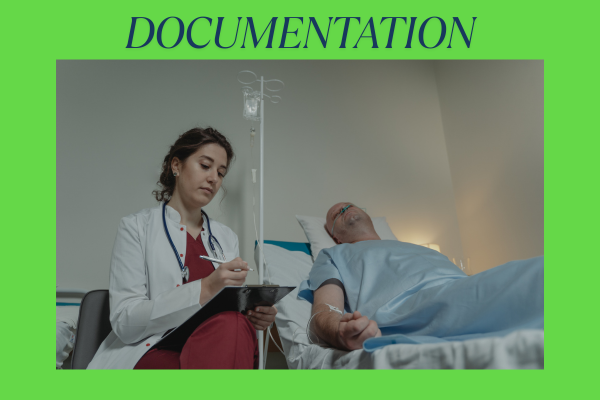
24. Documentation & Charting
Why it’s critical:
Legal record
Communication tool
Continuity of care
Rule:If it’s not documented, it didn’t happen.
- Basic Life Support (BLS)
Includes:
CPR
Airway management
Emergency response
Every nurse must know BLS—no exceptions.
Final Words for New Nurses
You don’t need to be perfect—you need to be safe, observant, and willing to learn.
Every expert nurse was once:
Nervous
Slow
Unsure
Practice these procedures, ask questions, and trust the process. Nursing confidence grows one patient, one procedure at a time.