
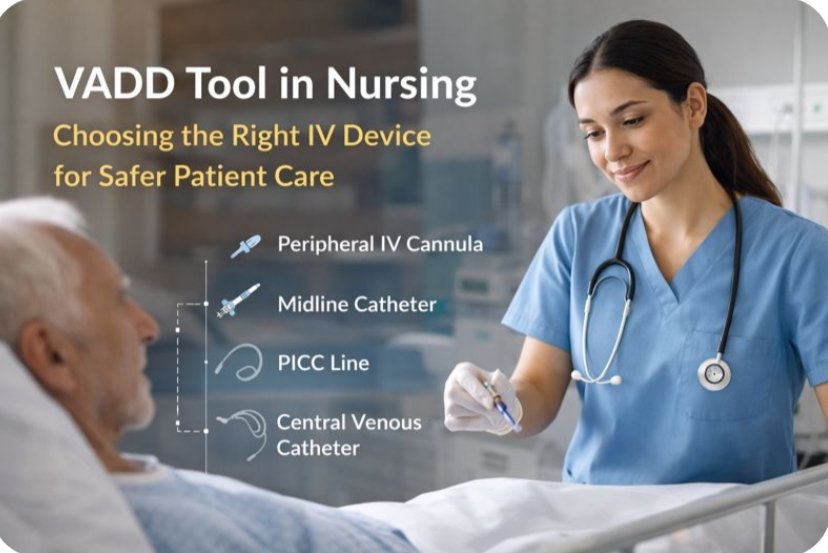
VADD Tool Flowchart Explained: A Practical Guide for Nurses and Students
Introduction:
Why Choosing the Right IV Device Matters Vascular access is one of the most common yet most critical procedures performed by nurses. Every day, nurses make decisions about inserting peripheral cannulas, midlines, PICC lines, or central venous catheters. A wrong decision can result in repeated needle sticks, patient pain, delayed treatment, phlebitis, infiltration, extravasation, or even life-threatening infections.
Meta Description
Learn the VADD tool flowchart step by step. A practical, nurse-friendly guide to choosing the right IV device for safe patient care.
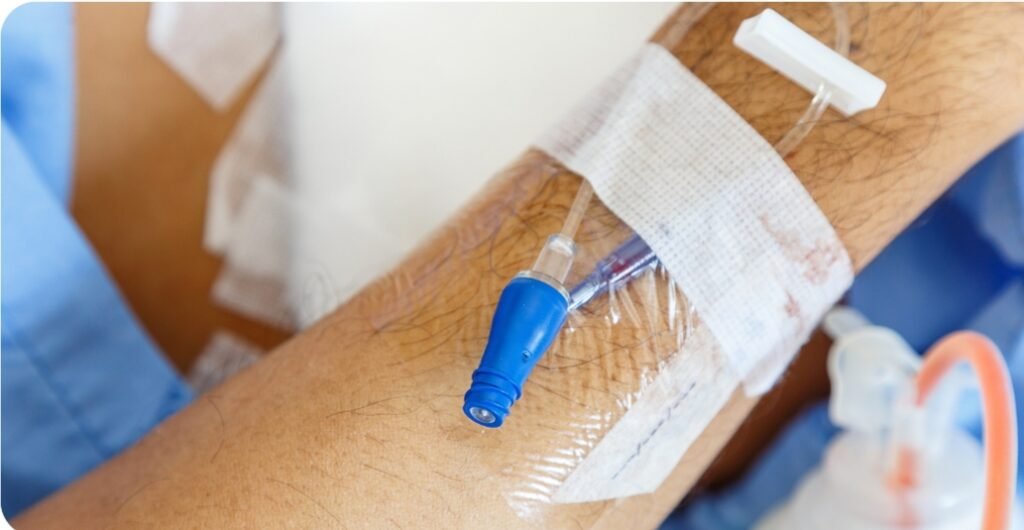
To prevent these problems and promote safe, evidence-based care, healthcare systems worldwide use the VADD Tool—the Vascular Access Device Decision Tool.The VADD Tool Flowchart simplifies complex clinical decisions and helps nurses choose the right IV device, at the right time, for the right patient.
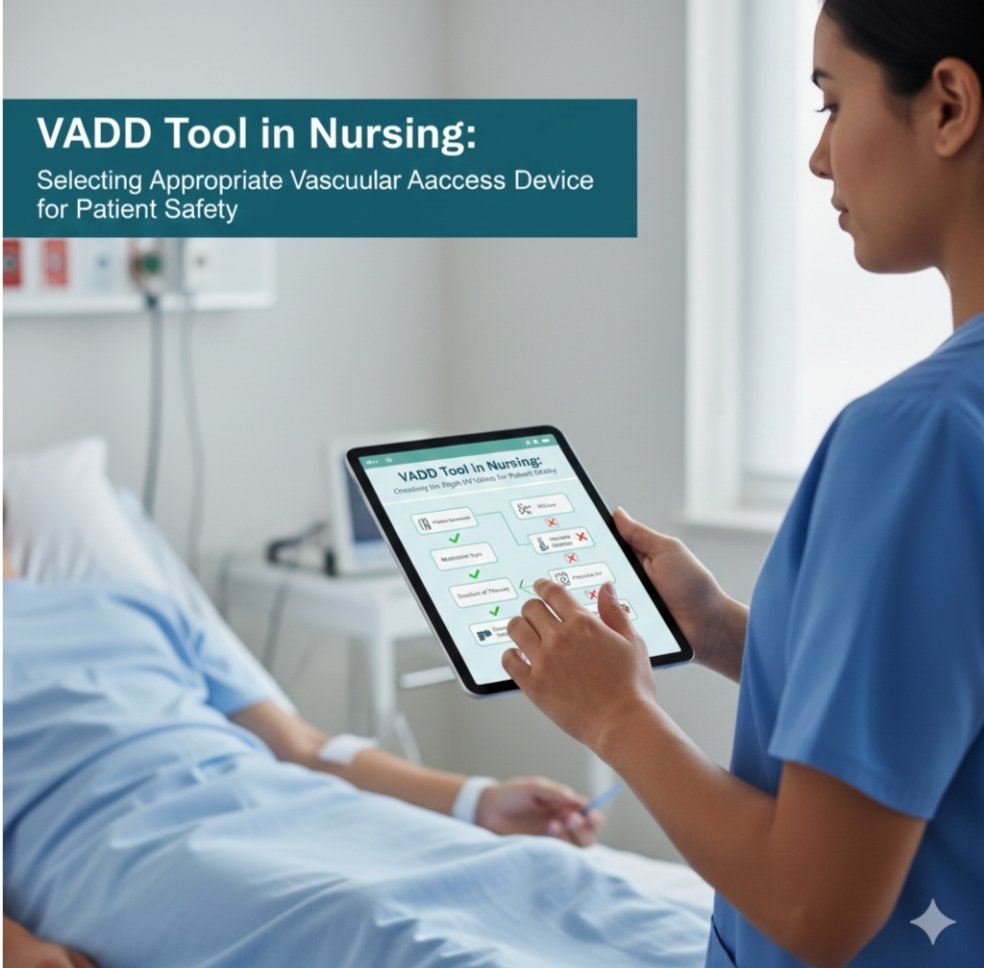
This article explains the VADD Tool flowchart step by step, in a practical, exam-friendly, and bedside-ready manner.
What Is the VADD Tool?
The VADD Tool (Vascular Access Device Decision Tool) is a structured clinical guide that supports nurses in selecting the most appropriate vascular access device based on:
Duration of IV therapy
infusate Patient-specific factors Risk of complications Instead of relying on routine practice or trial-and-error, the VADD tool promotes clinical reasoning and patient-centered care.
Why the VADD Tool Flowchart Is Important
The VADD tool flowchart is more than a diagram—it is a patient safety strategy.
Benefits of Using the VADD Tool
✔ Reduces multiple IV insertion attempts
✔ Prevents early IV failure
✔ Improves patient comfort and satisfaction
✔ Decreases infection and complication rates
✔ Saves nursing time and hospital resources
✔ Supports evidence-based nursing practice
Hospitals that follow VADD principles report better IV outcomes and fewer complications
Understanding the VADD Tool Flowchart
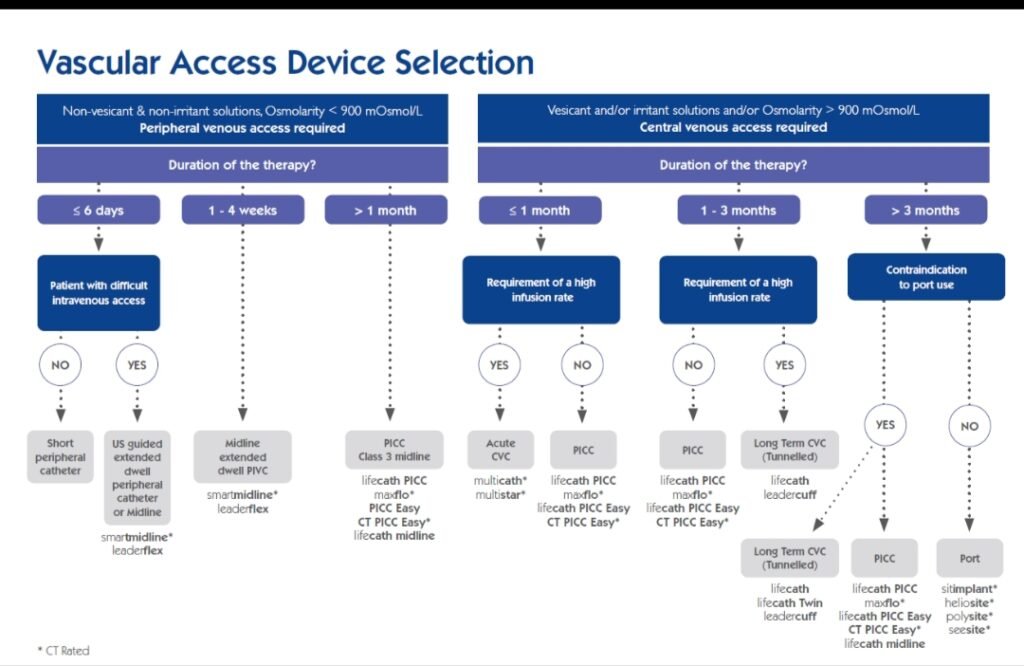
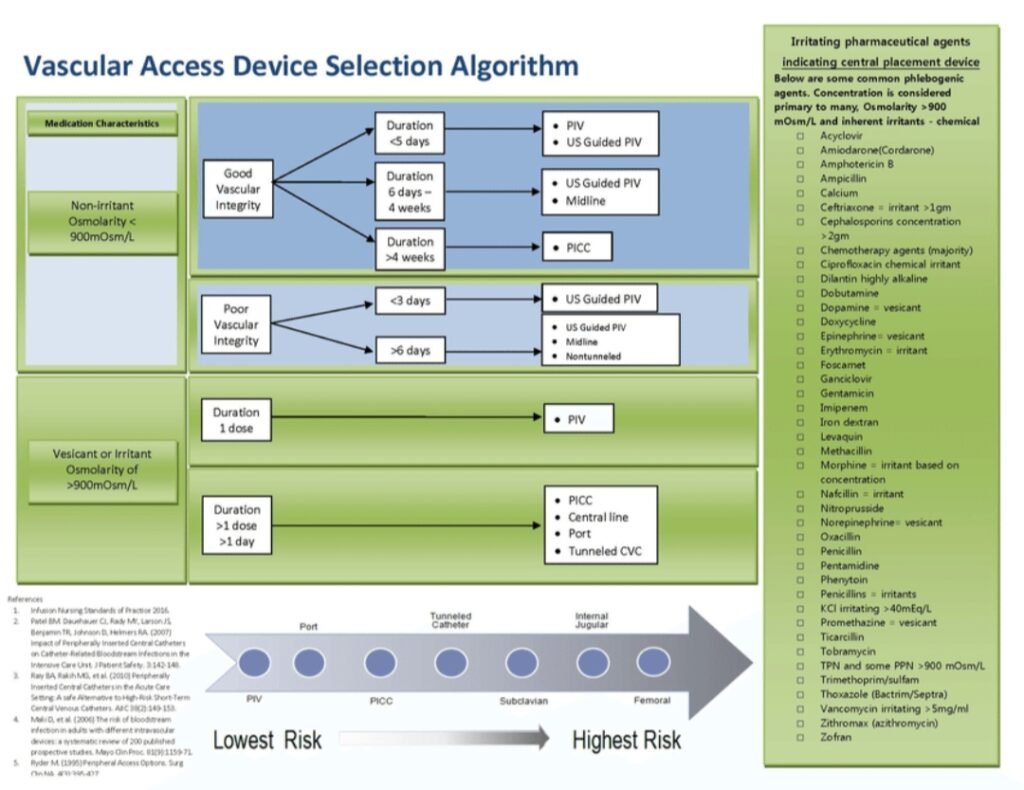
The VADD tool flowchart guides nurses through logical decision-making steps. Let’s break it down in simple terms.
Step 1: Assess the Duration of IV Therapy
The first and most important question is:
👉 How long will the patient need IV therapy?
Duration-Based Device Selection
Duration of Therapy
Recommended Device
Up to 5–6 days
Peripheral IV Cannula
6–14 days
Midline Catheter
More than 14 days
PICC Line
Long-term / Critical care
Central Venous Catheter
Why Duration Matters
Peripheral veins are fragile. Using a short-term device for long-term therapy increases:
Phlebitis
Infiltration
Repeated IV restarts
The VADD tool encourages early escalation to protect veins.
Step 2: Assess the Medication or Infusate
Next, evaluate what is being infused.
Ask These Critical Questions
Is the medication a vesicant or irritant?
Is the solution highly concentrated?
Is the pH < 5 or > 9?
Is osmolarity > 900 mOsm/L?
Is the patient receiving TPN, chemotherapy, or vasopressors?
If the Answer Is YES
👉 Peripheral IV is NOT appropriate
👉 Central access (PICC or CVC) is recommended
Why This Step Is Crucial
Certain medications can cause:
Severe tissue damage
Extravasation injuries
Vein necrosis
The VADD tool protects patients by ensuring safe drug delivery routes.
Step 3: Assess Patient-Specific Factors Every patient is unique. The VADD tool emphasizes individualized care.
Key Patient Factors to Assess Poor or fragile veins
History of difficult IV access
Multiple IV failures Chronic illness (CKD, oncology, diabetes)
Elderly or pediatric patients
Obesity, edema, dehydration
Clinical InsightIf a patient has had two or more failed IV attempts,
the VADD tool supports early escalation to midline or PICC rather than repeated trauma.
Step 4: Assess Risk of Complications
Before finalizing the device, evaluate potential risks.
Consider
Infection risk
Thrombosis risk
Need for frequent blood sampling
Patient mobility and lifestyle
Length of hospital stay
The goal is to choose a device that provides maximum benefit with minimum risk.
Step 5: Select the Appropriate Vascular Access Device
After completing the assessment, select the device that best fits the patient’s needs.
Common Vascular Access Devices Explained
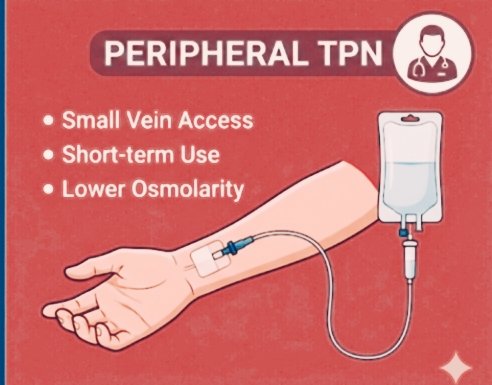
- Peripheral IV Cannula
Short-term use
Easy insertion
Suitable for non-irritant medications
❌ Not ideal for long-term or vesicant therapy. - Midline Catheter
Medium-term therapy
Lower infection risk than central lines
Good option for patients with poor peripheral access
✔ Excellent bridge between PIV and PICC. - PICC Line
Long-term IV therapy
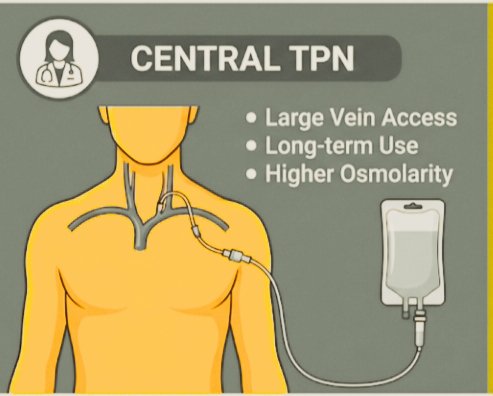
Suitable for antibiotics, TPN, chemotherapy
Can remain for weeks or months
Requires trained insertion and strict maintenance. - Central Venous Catheter (CVC)
Used in ICU and emergency settings
Allows rapid infusion and vasoactive drugs
High infection risk if not properly managed
Step 6: Document, Educate, and Monitor
The VADD process does not end with device insertion.
Nursing Responsibilities
Document VADD assessment and device choice
Educate patient and family
Monitor site daily for complications
Reassess device need regularly
Early removal of unnecessary devices is a key patient safety principle.
Simple Memory Tool for Exams and Practice
Use D-M-P-R to remember the VADD flowchart:
D – Duration of therapy
M – Medication type
P – Patient factors
R – Risk of complications

Practical Clinical Examples
Example 1A patient needs IV antibiotics for 3 days, has good veins, and non-irritant drugs.
👉 Peripheral IV Cannula
Example 2A patient requires IV antibiotics for 10 days with poor venous access.
👉 Midline Catheter
Example 3A patient needs TPN for 1 month.
👉 PICC Line
These examples show how the VADD tool improves decision-making.
Importance of the VADD Tool for Nursing Students
For nursing students, the VADD tool:
Builds clinical reasoning
Reduces confusion in IV selection
Improves confidence during postings
Helps in exams and interviews
Learning the VADD flowchart early prevents unsafe habits later.

VADD Tool and Evidence-Based Practice
The VADD tool aligns with:
Infusion Nurses Society (INS) standards
Patient safety goals
Quality improvement frameworks
Many hospitals now require VADD documentation before vascular access insertion.
Common Mistakes Without the VADD Tool
❌ Repeated peripheral cannulation
❌ Using short-term devices for long therapy
❌ Increased IV complications
❌ Poor patient satisfaction
The VADD tool eliminates these avoidable errors.
Future of Vascular Access Decision-Making
With growing emphasis on:
Patient safety
Cost-effective care
Nurse-led decision-making
The VADD tool is becoming a standard of modern nursing practice.
Conclusion
The VADD Tool Flowchart is a powerful, practical guide that helps nurses and students make safe, confident, and evidence-based decisions about vascular access.
By following the VADD tool, nurses: ✔ Protect patient veins
✔ Reduce complications
✔ Improve comfort and outcomes
✔ Strengthen professional practice
Every nurse should understand and apply the VADD tool—not just as a protocol, but as a commitment to quality patient care.
Frequently Asked Questions (FAQs) – VADD Tool in Nursing
1. What is the VADD Tool in nursing?
The VADD (Vascular Access Device Decision) Tool is a clinical decision-making guide that helps nurses and healthcare professionals choose the most appropriate vascular access device for a patient based on therapy duration, medication type, vein condition, and patient needs.
2. Why is the VADD Tool important in patient care?
The VADD Tool improves patient safety, reduces complications such as infiltration and infection, minimizes repeated cannulation attempts, and supports evidence-based vascular access selection, leading to better patient outcomes.
3. Who should use the VADD Tool?
The VADD Tool can be used by:Staff nurses Nursing students IV therapy nurses Nurse educators Clinical supervisors Healthcare teams involved in vascular access planning
4. What devices are included in the VADD Tool flowchart?
The VADD Tool typically guides selection among:Peripheral IV cannulaMidline catheterPICC line (Peripherally Inserted Central Catheter)Central venous catheter (CVC)
5. How does the VADD Tool flowchart work?
The flowchart uses step-by-step clinical questions related to:Expected duration of IV therapyType of medication (vesicant, irritant, osmolarity)Patient vein conditionFrequency of IV accessBased on answers, the most suitable vascular access device is recommended.
6. Is the VADD Tool evidence-based?
Yes. The VADD Tool aligns with international vascular access guidelines, including best practices from infusion therapy standards and patient safety frameworks used in hospitals worldwide.
7. Can nursing students use the VADD Tool?
Absolutely. The VADD Tool is student-friendly and helps nursing students understand clinical reasoning, improve IV therapy knowledge, and apply theory to real-world patient care scenarios.
8. How does the VADD Tool reduce IV complications?
By selecting the right device at the right time, the VADD Tool helps reduce:PhlebitisExtravasationInfiltrationCatheter-related bloodstream infectionsRepeated IV insertions
9. When should a nurse consider a PICC line using the VADD Tool?
A PICC line is usually recommended when:IV therapy is expected to last more than 7–14 daysMedications are vesicants or high-osmolar solutionsPeripheral veins are poor or difficult to access
10. Is the VADD Tool used in Indian hospitals?
Yes. Many hospitals in India and globally are adopting structured vascular access decision tools like VADD to improve IV therapy safety and standardize nursing practice.
11. How is the VADD Tool different from clinical judgment?
The VADD Tool supports clinical judgment, not replaces it. It provides a structured, evidence-based framework that helps nurses make consistent and safe decisions while still considering individual patient needs.
12. Can the VADD Tool help reduce nurse workload?
Yes. By preventing repeated cannulation attempts and IV failures, the VADD Tool saves time, reduces stress for nurses, and improves workflow efficiency in busy clinical settings.
13. Is training required to use the VADD Tool?
Basic training or orientation is recommended. However, the tool is designed to be simple, visual, and easy to follow, making it accessible even for newly joined nurses.
14. Can the VADD Tool be used in emergency settings?
Yes. In emergency situations, the VADD Tool helps guide quick yet safe decisions for vascular access while prioritizing urgent patient needs.
15. Where can nurses learn more about the VADD Tool?
Nurses can learn through:Hospital in-service education Nursing workshops Online nursing education platforms Evidence-based nursing blogs and journals