

What Is DIVA (Difficult Intravenous Access)? A Complete Nursing Guide
Meta Description
Learn what DIVA (Difficult Intravenous Access) is, its causes, assessment, and nursing management strategies in this complete evidence-based guide.
Introduction
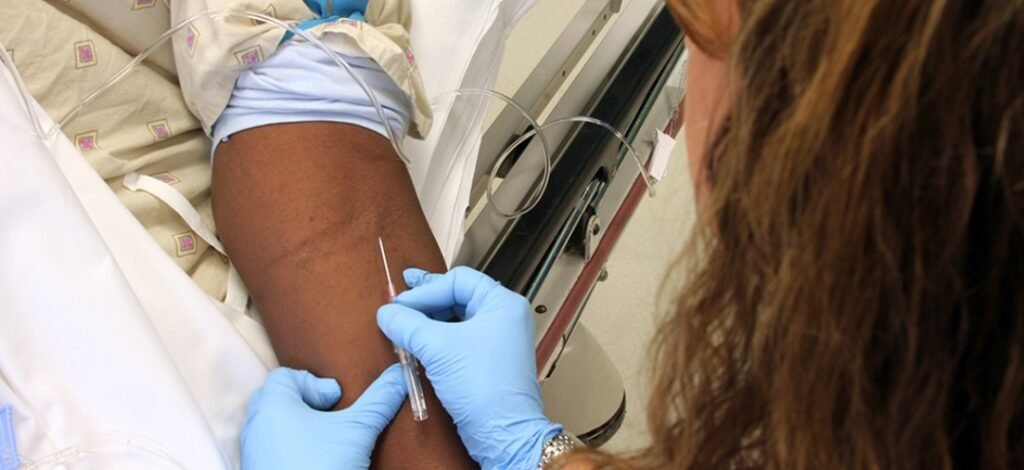
Starting an intravenous (IV) line is one of the most common nursing procedures. Yet for many patients, establishing IV access becomes a real challenge. Repeated failed attempts, patient discomfort, treatment delays, and nurse frustration often point to one clinical condition — DIVA (Difficult Intravenous Access).DIVA is not just a technical problem; it is a patient safety, comfort, and care-quality issue. Nurses are usually the first to identify DIVA, manage it, and advocate for alternative access strategies.
This comprehensive nursing guide explains what DIVA is, why it happens, how to recognize it early, and evidence-based nursing strategies to manage it effectively.
What Is DIVA (Difficult Intravenous Access)?
DIVA (Difficult Intravenous Access) refers to the inability to successfully insert a peripheral intravenous catheter after multiple attempts due to poor vein visibility, palpability, or patient-related factors.
Common Clinical Definition
More than 2 failed IV attempts
Veins that are not visible or palpable
History of previous difficult IV cannulation
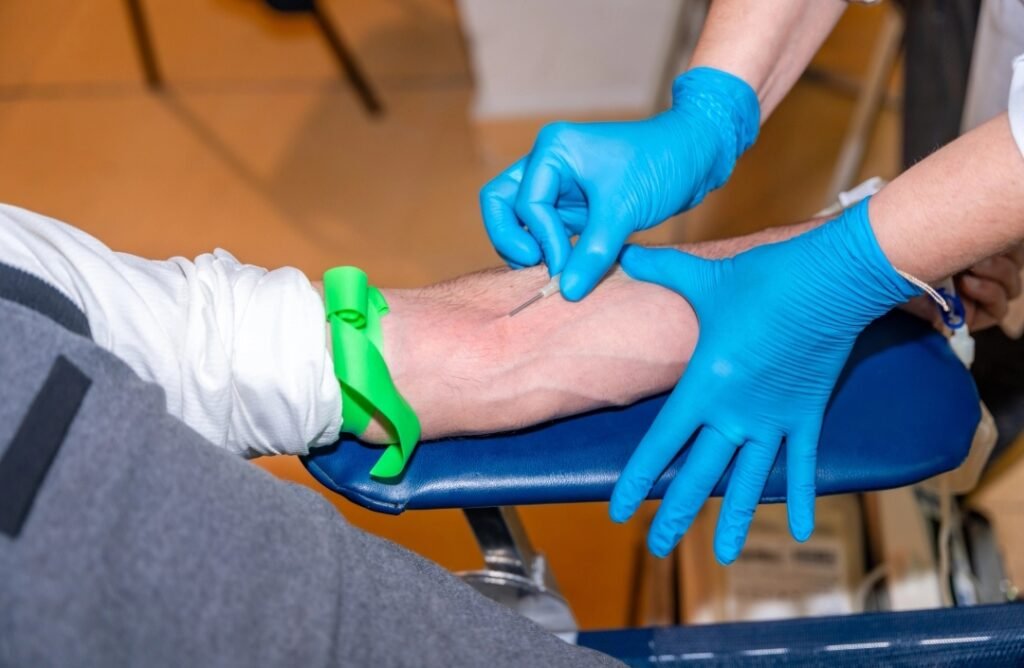
Need for advanced techniques or devices DIVA affects both adults and children and is frequently seen in emergency rooms, ICUs, oncology units, dialysis units, and long-term care settings.
Why Is DIVA Important in Nursing Practice?
DIVA has a direct impact on:Patient comfort and satisfaction Timely medication and fluid administration Nurse workload and Stress
risk of Complications repeated needle sticks can cause:
Pain and anxiety
Hematoma formation
Phlebitis
Infection
Delayed diagnosis and treatment
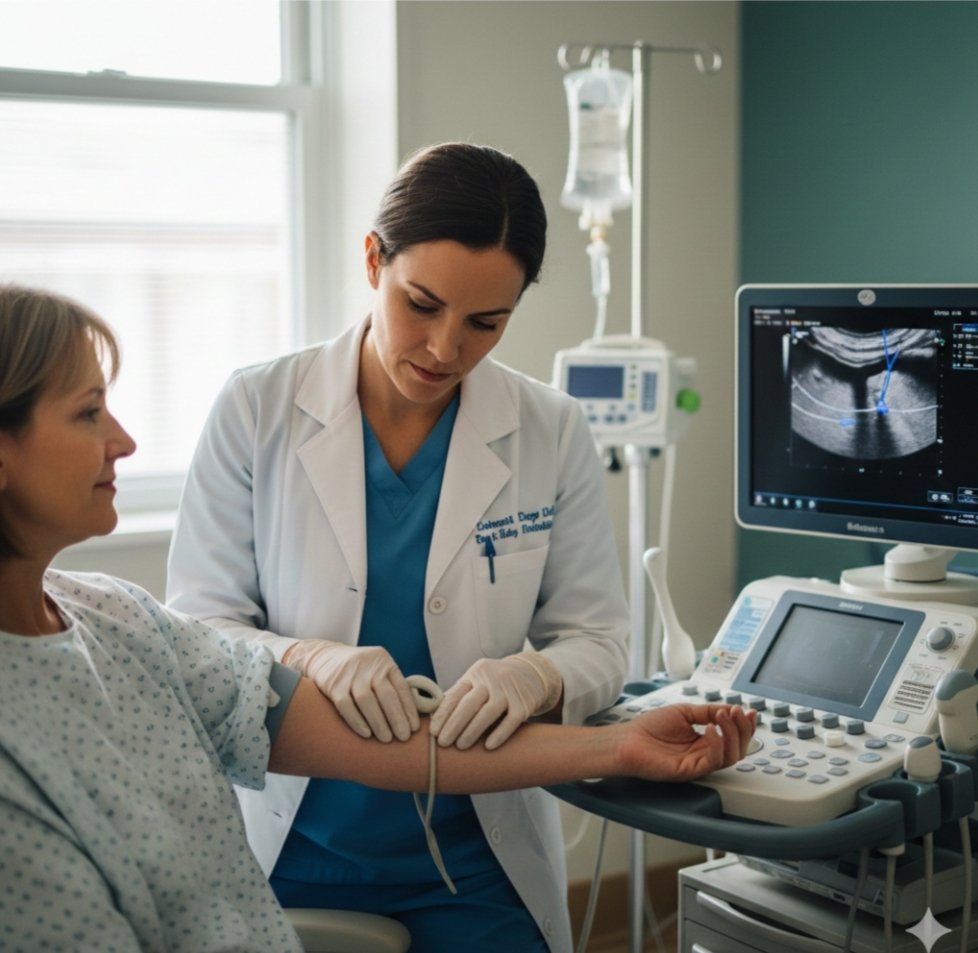
Recognizing DIVA early allows nurses to choose safer, faster, and more patient-centered vascular access options.
How Common Is DIVA?
Studies suggest:20–30% of hospitalized adults experience difficult IV access
Up to 50% of pediatric patients face DIVA Higher incidence in emergency and critical care settings With increasing rates of obesity, diabetes, chronic illness, and aging populations,
DIVA cases are rising worldwide.Causes of Difficult Intravenous Access (DIVA)
DIVA results from a combination of patient-related, vein-related, and clinical factors.
1. Patient-Related Factors.
Obesity veins lie deeper under adipose Tissue
poor vein visibility and palpation.
Dehydration collapsed or flat Veins reduced blood volume.
Chronic Illness diabetes
chronic kidney Disease
cancer heart failures.
Elderly Patient fragile,
rolling Veins loss of skin elasticity.
Pediatric Patient small vein size Fear and movement during procedure
2. Vein-Related Factors Scarred veins from repeated cannulation
Thrombosed veins
Veins damaged by chemotherapy or
IV Drugs poor venous return
3. Clinical & Treatment Factors
frequent hospital Admission
long-term IV Therapy
previous central line Use
history of IV drug Abuse
identifying DIVA Early:

Nursing Assessment early identification of DIVA is a critical nursing skill.
Signs Suggesting Diva history of multiple IV failures Patient says:
“They never get my vein in one try”
Veins not visible
even with tourniquet Veins not palpable
Previous ultrasound-guided IV use
Nursing Assessment Checklist
Inspect both arms
carefully Palpate veins without Rushing
ask about previous IV experiences
Check for scars, bruising, edema
Consider non-dominant arm first
Early recognition prevents unnecessary repeated attempts.
DIVA Risk Scoring Systems
Some hospitals use DIVA scoring tools to predict difficulty.Common Risk Factors in Scoring Tools
Poor vein visibility
Poor vein palpability
History of difficult IV access
Obesity
Age
extremes High-risk patients should be referred early for advanced vascular access techniques.
Nursing Challenges in Managing DIVA
DIVA is stressful for both patient and nurse.
Challenges for Nurses time pressure
Patient anxiety and pain Fear of causing Harm
limited access to ultrasound devices
Staffing shortages
Emotional Impact
repeated failed attempts can reduce nurse confidence and increase burnout.
Evidence-Based Nursing Strategies to Manage DIVA
1. Preparation Is Key Before attempting IV access:
Ensure good lighting
Position the patient Comfortably use
proper tourniquet placement
Warm the limb for 5–10 minutes
Encourage hydration if possible
2. Vein Enhancement Techniques
Apply warm compress
Lower the arm below heart level
Gentle tapping or stroking
Use blood pressure cuff instead of tourniquet
Ask patient to open and close fist
3. Proper Cannulation Technique
Choose the smallest appropriate catheter Anchor vein properly Insert at correct angle (10–30°)Avoid excessive probing
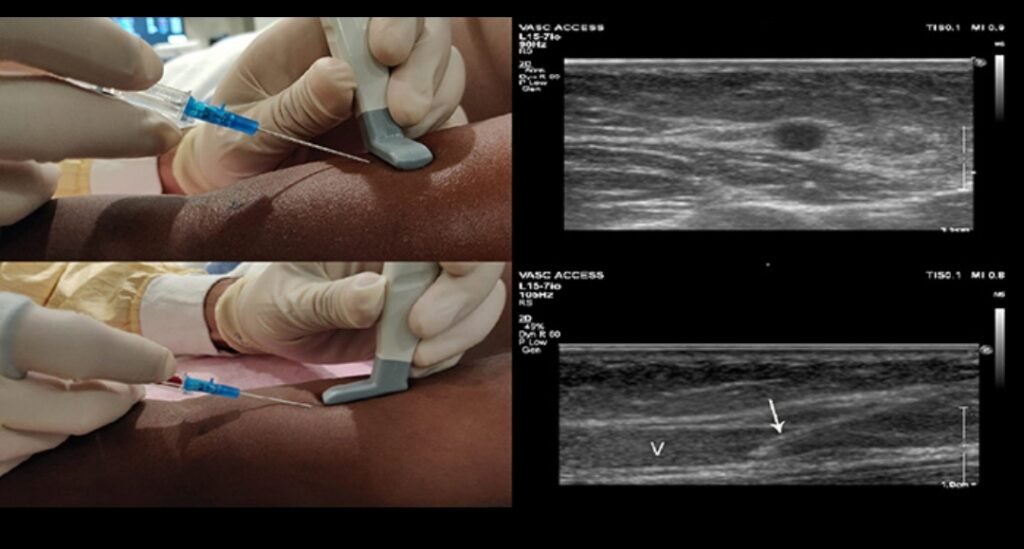
Ultrasound-Guided IV Access
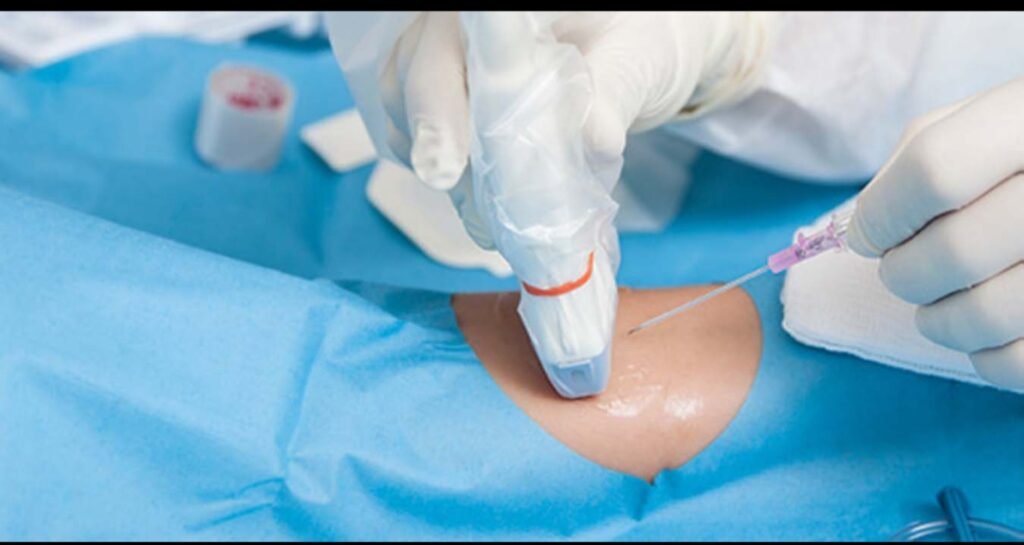
Ultrasound-guided IV insertion is a game changer for DIVA patients.
Benefits
Higher first-attempt Success
reduced patient pain
Fewer complications
Faster access in emergencies
Nursing Role
Identify candidates early
Request trained personnel
Maintain aseptic technique
Monitor site closely
Many hospitals now train nurses in ultrasound-guided cannulation.Alternative Vascular Access Options
When peripheral IV access fails, consider:
1. Midline Catheter Longer than standard IV Used for therapy lasting 1–4 weeks
2. Peripherally Inserted Central Catheter (PICC)For long-term therapy Requires trained insertion
3. Central Venous Catheter Emergency or ICU use Higher infection risk
4. Intraosseous Access
Emergency situations only Rapid vascular access Pediatric DIVA:
Special Nursing Considerations Children with DIVA require:
Skilled personnel
Distraction techniques
Parental involvement
Ultrasound guidance
Topical anesthetics
Compassion and patience are essential in pediatric IV access.
Patient-Centered Care in DIVA Nursing Responsibilities
Explain the procedure clearly Obtain consent
Limit needle attempts
Advocate for alternatives
Provide emotional reassurance
Communication Tips
Be honest about difficulty
Avoid blame or frustration
Encourage patient participation
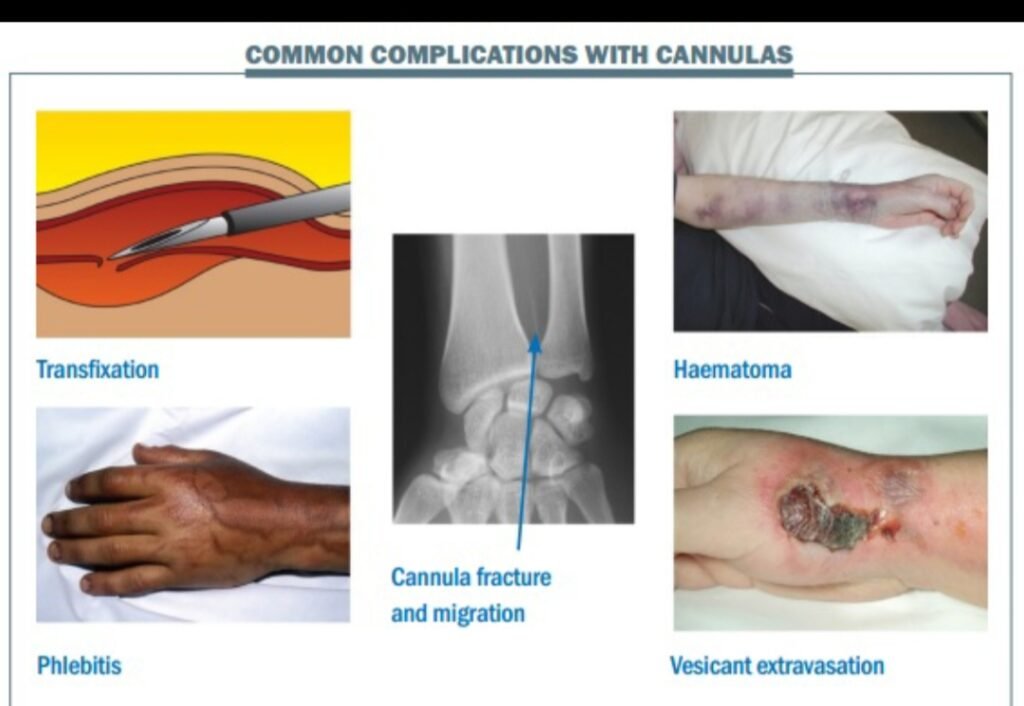
Complications Associated With Repeated IV Attempts
Hematoma
Infiltration
Phlebitis
Infection
Anxiety and needle phobia
Preventing repeated attempts improves patient safety and trust.

Documentation and Legal Considerations
Accurate documentation is vital.Document:
Number of attempts
Site used
Technique applied
Patient response
Escalation steps taken Proper documentation protects both patient and nurse.
Role of Nurse Education and Training Improving DIVA outcomes requires:
Regular IV skill training
Ultrasound education Simulation practice
Clear escalation protocols Hospitals investing in vascular access teams show better success rates.
DIVA and Nursing Ethics
Ethical nursing care means:
Minimizing patient pain
Avoiding unnecessary attempts
Seeking help when needed
Practicing within scope Knowing when to stop is a sign of professional competence, not weakness.
Future of DIVA Management in Nursing
Advanced vein visualization devices
AI-assisted ultrasound
Specialized vascular access nurses
Stronger nursing protocols
The future focuses on first-attempt success and patient dignity.

Key Takeaways for Nurses
DIVA is common and increasing Early identification saves time and pain Use evidence-based strategies Ultrasound improves outcomes Patient comfort must remain central
Conclusion
DIVA (Difficult Intravenous Access) is more than a technical difficulty—it is a clinical challenge that demands skill, patience, and compassionate nursing care. Nurses play a crucial role in identifying DIVA early, choosing the right approach, and advocating for safer alternatives.By improving education, embracing technology, and prioritizing patient-centered care, nurses can transform DIVA from a frustrating obstacle into a manageable clinical situation.
Frequently Asked Questions (FAQs) –
1. What does DIVA mean in nursing?
DIVA in nursing stands for Difficult Intravenous Access. It refers to situations where nurses face repeated difficulty inserting a peripheral IV catheter due to poor vein visibility, palpability, or patient-related factors.
2. How many failed IV attempts define DIVA?
DIVA is commonly defined as two or more failed IV insertion attempts or when advanced techniques such as ultrasound guidance are required to establish vascular access.
3. Which patients are at high risk for DIVA?
Patients at high risk include:Elderly adults Obese patients Dehydrated Patient pediatric Patient oncology and dialysis Patient individuals with chronic illnesses or frequent hospitalizations
4. How can nurses identify DIVA early
Nurses can identify DIVA early by:Asking about previous IV difficulties Assessing vein visibility and palpability Noting multiple scars or bruises Observing patient anxiety or history of ultrasound-guided IV use Early identification reduces repeated needle attempts.
5. What are the best nursing strategies to manage DIVA?
Effective nursing strategies include:Proper patient positioning Warming the limb Using vein-enhancement techniques Choosing the correct cannula size Limiting attempts and escalating early
6. When should ultrasound-guided IV access be used?
Ultrasound-guided IV access should be used when:Peripheral IV access fails after two attempts Veins are not visible or palpable The patient has a known history of DIV AIt improves first-attempt success and patient comfort.
7. What are alternative options if peripheral IV access fails?
If peripheral IV access fails, alternatives include:Midline cathetersPICC linesCentral venous cathetersIntraosseous access (in emergencies)
8. Why is DIVA considered a patient safety issue?
DIVA increases the risk of:Pain and anxiety Hematoma and Infiltration delayed medication Administration infection Risk managing DIVA properly improves patient safety and care quality.
9. What is the nurse’s role in preventing repeated IV attempts?
Nurses play a key role by:Recognizing DIVA Early limiting unnecessary Attempts seeking skilled Assistance advocating for advanced access Methods knowing when to stop is an important professional skill.
10. Can DIVA be prevented?
While DIVA cannot always be prevented, early assessment, proper technique, nurse training, and use of technology like ultrasound can significantly reduce failed IV attempts.